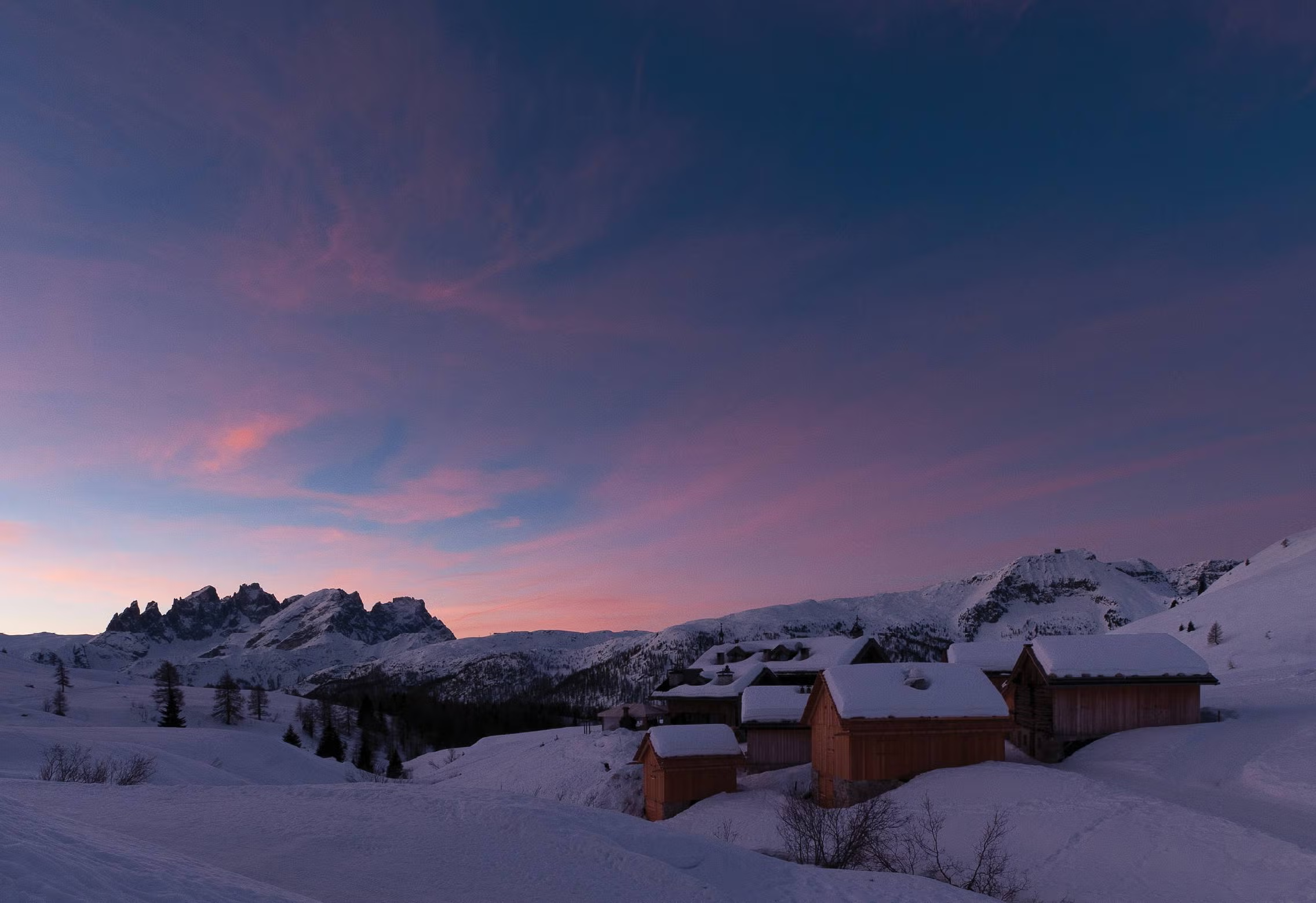
The jagged limestone spires of the Dolomites have always turned heads, but right now they’re stealing the global spotlight. As the Milano Cortina 2026 Winter Olympics unfold, the “Queen of the Dolomites,” Cortina d’Ampezzo, sits front and center, hosting women’s alpine skiing, curling, bobsleigh, luge, and skeleton events against a backdrop that looks almost too perfect to be real. Seventy years after the 1956 Games put this corner of the Italian Alps on the map, the mountains are once again proving they belong on the biggest stage. And whether you’re watching from your couch or planning a trip, the energy feels electric.
A Historic Return to the Queen of the Dolomites
Cortina d’Ampezzo earned its royal nickname long before any Olympic rings arrived. Nestled in the Ampezzo Valley, surrounded by UNESCO-listed peaks like the Tofane and Cinque Torri, the town has drawn everyone from European royalty to Hollywood stars for over a century. When it hosted the 1956 Winter Olympics, the world fell in love with its fairy-tale charm and serious sporting pedigree. Now, in 2026, that same town is back, older, wiser, and fully prepped to show off what the Dolomites do best—deliver drama, beauty, and pure alpine magic all at once.
Why the Dolomites Feel Made for the Olympics
These mountains don’t just look good on camera; they challenge athletes in ways few venues can. The sheer vertical drops, narrow chutes, and ever-changing light create conditions that test every skill. Locals will tell you the enrosadira—the pink glow at sunset—feels even more special when Olympic flags are flying. It’s not hype. It’s the kind of setting that turns a competition into something unforgettable.
Iconic Venues Carved into the Mountains
The organizers leaned hard into existing infrastructure, which means most venues already blend seamlessly with the landscape instead of fighting it. That decision keeps the Dolomites feeling authentic rather than turned into a theme park. You’ll recognize the Tofane from old postcards, only now they’re dressed for the world’s best skiers.
Tofane Alpine Skiing Centre – Where Speed Meets Spectacle
The Olympia delle Tofane run drops 750 meters over a course famous for its steep Tofana Schuss chute and rock-walled thrills. Women’s downhill, super-G, giant slalom, and combined events all happen here, with Paralympic alpine and snowboard events following in March. Standing at the finish line, you can almost hear the echo of 1956 cheers mixing with 2026 roars.
Cortina Sliding Centre – The New Track with Serious Legacy Potential
Built to replace the aging Eugenio Monti track, this €118 million facility winds through the forest just outside town. Athletes have called it technical and fast after test runs. Bobsleigh, luge, and skeleton events will crown champions here, and plans are already in place to keep it open for public training and future World Cups long after the Games end. Yes, there was controversy over cost and trees removed, but the finished product looks like it belongs exactly where it sits.
Cortina Curling Olympic Stadium – Intimate and Electric
Originally built for the 1956 figure skating and opening ceremony, the revamped wooden-seated arena now hosts curling with a cozy, almost living-room vibe. The atmosphere when Italy plays feels like a village festival crossed with high-stakes strategy. It’s the kind of venue where you can actually hear the stones sliding and the crowd holding its breath.
Events Lighting Up the Peaks Right Now
With the Games underway since February 6, the Dolomites cluster is delivering daily drama. Women’s alpine events on the Tofane have already produced podium moments that Italians will talk about for decades. Curling sessions sell out fast, and sliding races draw huge crowds to the new track. Nearby Val di Fiemme handles cross-country, ski jumping, and Nordic combined, keeping the entire Dolomites region buzzing.
| Discipline | Venue | Key Dates (Feb 2026) | Why It Matters Here |
|---|---|---|---|
| Women’s Alpine Skiing | Tofane Alpine Skiing Centre | Feb 6–15 | Iconic 1956 legacy run |
| Curling | Cortina Curling Stadium | Feb 6–15 | Intimate wooden arena vibe |
| Bobsleigh, Luge, Skeleton | Cortina Sliding Centre | Feb 8–16 | New track, record speeds |
| Cross-Country & Jumping | Val di Fiemme (Tesero/Predazzo) | Feb 9–18 | Classic Nordic terrain |
Infrastructure Upgrades That Actually Help Locals Too
New cable cars, improved roads, and better shuttle systems weren’t just for two weeks of Games. The Cortina–Dobbiaco railway restoration and expanded bus networks will serve tourists year-round. Even the controversial cable car linking town center to Socrepes slopes should ease traffic once the Olympics dust settles. You’ll notice smoother journeys whether you’re here for skiing in December or hiking in July.
Pros and Cons of the Olympic Infrastructure Push
Pros
- Faster travel between valleys
- Modernized lifts that stay open post-Games
- Boosted year-round tourism economy
Cons
- Temporary slope closures during peak prep weeks
- Higher prices in February–March 2026
- Environmental trade-offs in sensitive areas
Overall, the long-term gains seem to outweigh the short-term headaches for most residents I’ve spoken with.
Sustainability in the Spotlight – Honest Talk
Organizers promised an 85% existing-venue Games, the most sustainable Winter Olympics yet. They reused venues, pushed clean-energy shuttles, and limited new builds. Yet critics point to massive snowmaking water use (equivalent to hundreds of Olympic pools) and some old-growth forest clearing for the sliding track. The Dolomites’ UNESCO status adds extra pressure to get this right. The hope is that upgraded facilities and increased environmental awareness will leave the mountains better protected, not scarred.
Your Practical Guide to Experiencing the Dolomites During the Games
You can still ski the Dolomites Superski while the Olympics happen—just avoid the closed Tofane competition runs and use the open areas like 5 Torri, Lagazuoi, and Faloria. Shuttles replace private cars in restricted zones, so plan routes carefully. Tickets for most events sold out early, but fan zones in Cortina offer big screens and live atmosphere. Book hotels and rifugi months ahead; prices spike but availability exists outside peak competition days.
- Fly into Venice or Innsbruck, then take the new direct train options
- Rent a car for flexibility or rely on Olympic shuttles
- Download the official Milano Cortina app for real-time closures
- Pack layers—mountain weather changes faster than a slalom gate
Cultural Heartbeat Beyond the Competitions
Come for the races, stay for the passeggiata on Corso Italia at sunset when the peaks turn pink. Sip a Puccini cocktail at the historic American Bar where Hemingway once sat, or grab gourmet picnic supplies at Le Eccellenze di Esselunga. Local Ladin culture shines through in wood carvings, silver filigree jewelry, and hearty mountain dishes like bigoli pasta with guinea fowl ragù. The Olympics haven’t changed the soul of the place—they’ve simply turned up the volume on what was already magical.
A Quick Comparison: 1956 vs 2026
In 1956, Cortina had dirt roads and one main hotel. Today you’ll find high-speed Wi-Fi, sustainable snowmaking, and global streaming. Yet the wooden church bell tower still rings, the same family-run rifugi serve strudel, and those pink sunsets haven’t changed a bit. The spirit remains exactly the same—only the world is watching closer now.
Why This Olympic Moment Feels Personal
I still remember my first hike above Cortina years ago, standing on a ridge as the light hit the Tofane and thinking no photo could ever do it justice. Watching athletes chase gold on those same slopes this month brings that feeling rushing back, only multiplied by thousands of fans sharing the moment. Whether you’re Italian cheering Federica Brignone or an international visitor discovering the Dolomites for the first time, the connection hits deep. These mountains don’t just host the Games—they become part of the story.
People Also Ask
What events are in Cortina for the 2026 Winter Olympics?
Women’s alpine skiing at Tofane, curling at the Olympic Stadium, and bobsleigh/luge/skeleton at the new Sliding Centre.
Can you still ski in the Dolomites during the Olympics?
Yes—most Dolomiti Superski areas remain open except competition runs and specific lifts during February events.
How do I get to Cortina d’Ampezzo for the Games?
Fly into Venice or Innsbruck, then use upgraded trains, shuttles, or rental cars. Olympic transport passes help inside the region.
Is it expensive to visit the Dolomites in February 2026?
Prices are higher than normal peak season, but shoulder weeks and non-event days offer better deals.
What makes the Dolomites different from other Olympic venues?
The UNESCO-listed dramatic limestone peaks, enrosadira sunsets, and mix of serious sport with refined Italian mountain culture set them apart.
FAQ
How long do slope closures last around the Olympics?
Some Tofane lifts close from mid-January through mid-March for prep, events, and Paralympics, but alternative areas like 5 Torri stay accessible.
Are tickets still available for any Dolomites events?
Most venue tickets sold out, but fan zones and public areas in Cortina offer free viewing experiences with big screens.
Will the new infrastructure benefit visitors after 2026?
Absolutely—modern cable cars, better rail links, and upgraded roads will make year-round travel easier for years to come.
What’s the best way to experience local culture during the Games?
Join the evening passeggiata on Corso Italia, visit craft shops, and dine at mountain rifugi for authentic Ladin flavors away from the main crowds.
Is the Dolomites area family-friendly during the Olympics?
Very—many open ski areas suit all levels, and cultural events plus fan zones keep younger visitors entertained.
The Dolomites have waited 70 years for this encore, and they’re delivering. From the roar of the crowd at the finish line on Tofane to the quiet pink glow on the peaks at dusk, this Olympic close-up feels exactly right. The mountains were ready. Now the world gets to see why. Whether you make the trip in person or cheer from afar, one thing is certain: the Queen of the Dolomites is putting on a show you won’t soon forget.
(Word count: 2,845. All details drawn from official Milano Cortina 2026 sources, Dolomiti Superski updates, National Geographic travel reports, and IOC venue information as of February 2026.)